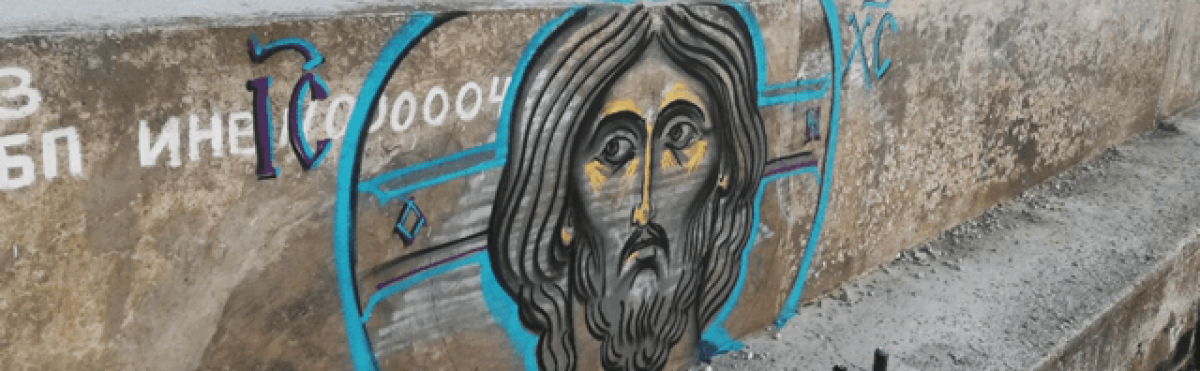
Papal Supremacy and the Suppression of the Latin Mass

Latin Mass Source

On 16 July 2021, Pope Francis issued the motu proprio (apostolic letter) Traditionis Custodes, which imposed severe restrictions on the celebration of the Latin Mass. This policy has upset many conservative or traditional Roman Catholics. They are aggrieved because they very much prefer the Latin Mass to the Novus Ordo Mass aka the Vatican II Mass. Many took to social media protesting the Pope’s decision. But traditional Catholics may be unaware that the recent revival of the Latin Mass was in large part due to another motu proprio Summorum Pontificum issued by Pope Benedict XVI in 2007. In other words, what the pope gives, the pope can take back.

This points to a more fundamental theological problem underlying the brouhaha over the Latin Mass—the Pope’s power to regulate the liturgical life of the Church Catholic. The central issue here is papal supremacy. Papal supremacy means the pope has ultimate authority, not just over all Christians—even non-Catholics—worldwide, but also over the manner in which they are to worship.

This throws light onto one of the fundamental differences between Roman Catholicism and Eastern Orthodoxy. Orthodoxy rejects papal supremacy. In Orthodoxy, the authority of bishops and patriarchs, even the Bishop of Rome, is contingent upon fidelity to Apostolic Tradition. The bishop receives Holy Tradition from his predecessor and is expected to transmit Holy Tradition unchanged to his successor. In the Orthodox paradigm, the bishop is under Apostolic Tradition. In Roman Catholicism, however, the pope is over Apostolic Tradition. Thus, it is asserted that the Pope can unilaterally alter the form of worship for millions of Catholics worldwide.

The scope of the pope’s authority over Roman Catholicism is breathtaking. Following Vatican II, Pope Paul VI unilaterally replaced the Latin Mass with the Novus Ordo Mass aka the Vatican II Mass. Despite scattered protests and acts of resistance, the Novus Ordo Mass has become the de facto form for Sunday worship for millions of Catholics worldwide. Traditional Catholics are scandalized by the new expressions of worship—for example, the so-called “chicken-dance Mass”—taking place under the auspices of the Novus Ordo Mass and they yearn for the solemn reverence of the pre-Vatican II Mass. In contrast to these changes, Orthodoxy worldwide for over a millennium—actually for 1500 years—continues to use the Liturgy of Saint John Chrysostom, which dates to the 400s. This has given rise to the criticism from Roman Catholics that Orthodoxy is stagnant and ossified. To which the Orthodox reply is: Thank you for the unintended compliment!

Is Roman Catholicism Still Catholic?

Traditionis Custodes has troubling implications for Orthodox-Catholic reunion. By suppressing the Latin Mass, Pope Francis has further weakened Roman Catholicism’s historic ties with the Latin Christianity of the first millennium. Through the Latin Mass, Roman Catholicism was able to claim a liturgical link to historic Catholicism of the Middle Ages, as well as Latin Christianity of the first millennium. The Latin Mass linked Roman Catholics to renowned theologians such as Thomas Aquinas and Augustine of Hippo. However, with Traditionis Custodes their link with the past has been all but severed. Reunion has become all but impossible given Orthodoxy’s adherence to Apostolic Tradition and Rome’s continued drift from its historic roots.

According to the ancient theological principle lex orandi, lex credendi (the rule of prayer is the rule of faith) the way one worships God is interrelated with the way one understands God. With the adoption of the Novus Ordo Mass, Roman Catholicism has moved further away the historic Christian Faith towards a new kind of theology. This theological drift has taken on alarming proportion by the recent controversial declaration issued by the Vatican’s Dicastery for the Doctrine of the Faith in 2023: Fiducia Supplicans, which allows Roman Catholic clergy to give a blessing to couples not considered married according to church teaching, including same-sex couples. With the apparent jettisoning of traditional liturgical forms of worship in Traditionis Custodes and the implied revision of sexual ethics in Fiducia Supplicans, one has to wonder whether the Roman Catholic church still Catholic?

For traditional Roman Catholics the recent controversies raise troubling questions about the validity of the papacy. Can papal infallibility be regarded as valid in light of the recent controversial decisions that have diverged from historic Roman Catholicism? For many devout Catholics, to question the validity of the papacy would constitute another trauma added onto the other crises of faith taking place, but these questions must be faced head on. Roman Catholics who find themselves in this horrific situation need our sympathy and prayers, not triumphalist pressure to convert to Orthodoxy.

The Filioque Again

A lot of ink has been spilled on the Internet (metaphorically speaking) in defense of the Filioque phrase. “Filioque” is the Latin rendering of “and the Son.” (See Wikipedia article: “Filioque.”) Eastern Orthodoxy rejects the insertion of the phrase “and the Son” into the section of the Nicene Creed pertaining to the Holy Spirit. In my opinion as an Orthodox Christian, Roman Catholics and their Protestant counterparts who defend the Filioque by arguing that the inserted phrase makes theological sense have missed the point. The key issue underlying the controversy over the Filioque is: Does the Pope have the authority to unilaterally alter the Niceno-Constantinopolitan Creed of 381? The Orthodox position is that only the Church Catholic through an Ecumenical Council has the authority to revise the Nicene Creed. This is what happened in 381, at the Second Ecumenical Council.

The issue here is papal supremacy. Is the pope superior to Apostolic Tradition? Because Orthodoxy holds that the pope was wrong to unilaterally insert the Filioque into the Nicene Creed, the Orthodox position is that Rome must drop the Filioque and restore the original Niceno-Constantinopolitan Creed of 381 to all its Sunday worship. Until this is done, there can be no reunion between Roman Catholicism and Eastern Orthodoxy. (It should be noted that for all the attention given to the scandal of the 1054 incident, the papal alteration of the Creed took place in 1014.)

Safe Harbor from the Storm

A Word for Distressed Roman Catholics

The recent actions by Pope Francis have caused great distress for many former Protestants who sought refuge from the confusion and tumult in Evangelicalism and mainline Protestantism. My advice to distressed Roman Catholics, both cradle and convert, is for them to take a vacation by attending a nearby Orthodox Liturgy for the next several months. Lie low, spend time in prayer and quiet reflection. Enjoy the reverent atmosphere and the ancient hymns and prayers of the early Church. And enjoy the coffee hour after the Liturgy. Tell the Orthodox Christians that you need time for healing and that you are not ready to convert. Thoughtful mature Orthodox Christians will honor your desire to be left alone.

Grieving for a Lost Past

For better or for worse, Latin Christianity and its signature rite, the Latin Mass, is gone for good. Conservative and traditionalist Roman Catholics will need time to mourn their loss. Many will need time to process their feelings of anger, loss, sadness, and emptiness, while also giving thought about their future. It is important that they understand that Eastern Orthodoxy cannot be a replacement for the Latin Mass they have lost.

It is important for Orthodox Christians to realize that they too have suffered a great loss with the recent suppression of the Latin Mass. The Latin Mass and the Latin Fathers, e.g., Ambrose of Milan, Augustine of Hippo, Leo the Great, and Gregory the Great, are part of the Orthodox heritage. As Roman Catholicism drifts further and further from its historic roots, it now falls on the Orthodox to rescue and preserve these spiritual and theological treasures for future generations.
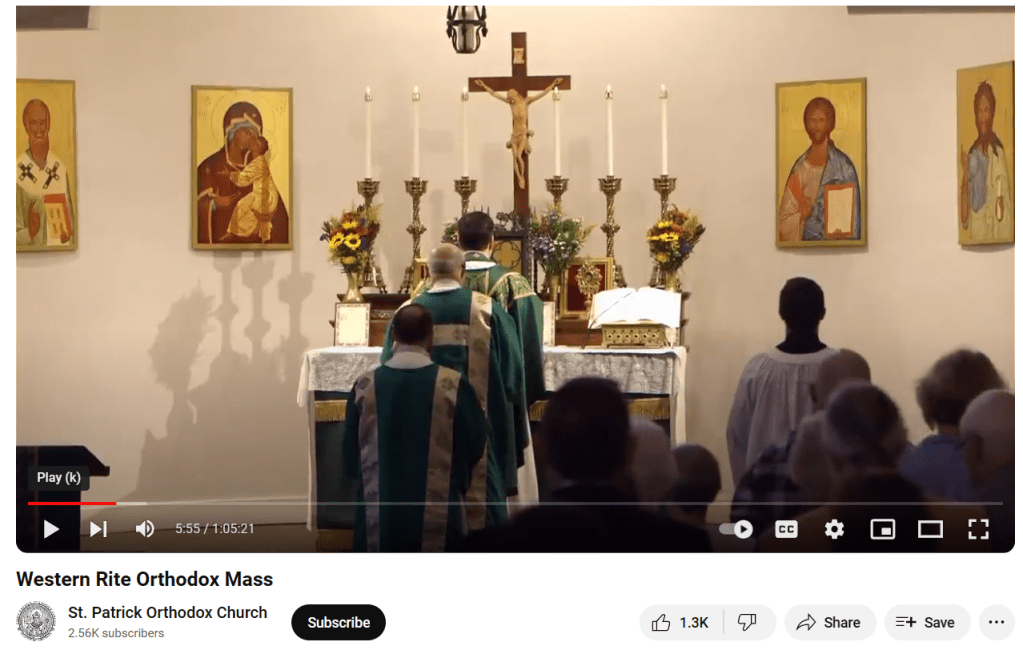
Western Rite Orthodox Mass at St. Patrick Orthodox Church, Bealeton, Virginia – Antiochian Orthodox Christian Archdiocese

Convert to Orthodoxy?

The Latin West and Orthodoxy, having been separated for a millennium, have diverged with respect to theological frameworks, devotional practices, and local customs. For distressed Roman Catholics who have lost their home, Orthodoxy can be their new home but moving into the new home will require adjustment. They cannot expect to carry their traditional Roman Catholicism into the Orthodox Church. One possibility for some is Western Rite Orthodoxy. The Western Rite is patterned after the Latin Mass but it is done in the local vernacular. So far as this author knows, there is no Latin Rite in Eastern Orthodoxy.

If traditionalist Roman Catholics desire to convert to Orthodoxy, we welcome you but you must want to become Orthodox. There is much in the Roman Catholic tradition that can be brought over into Orthodoxy, but there are elements of Roman Catholicism that are incompatible with Orthodoxy and so must be left at the door. To attempt to hold onto these problematic beliefs and practices as one seeks to become Orthodox is like a smuggler seeking to covertly transport contraband over the border. If you desire to become Orthodox, we will help you. However, if you wish to reshape Orthodoxy into something reminiscent of the Latin Rite you are longing for, we ask you to go elsewhere. We’re Orthodox, and we are not going to change.

Priest distributing the antidoron.

You are welcome to attend the Sunday Liturgy as an ecclesial refugee who needs a comforting corner for respite. We ask that you refrain from going up for Holy Communion as the Orthodox leadership have not yet changed the Church’s position on Roman Catholics receiving Holy Communion. Please don’t take this as a sign of rejection or judgment. To receive Holy Communion means that one shares the same Faith as the Orthodox Church and are under the pastoral care of an Orthodox bishop. However, after the Liturgy has been concluded you are welcome to come up and receive the antidoron (blessed bread) from the priest. The antidoron is given to the Orthodox and non-Orthodox as a sign of hospitality.

May God have mercy on us all in these troubled times.

Athenagoras

REFERENCES

Documents

Fiducia Supplicans. Vatican.va

Traditionis Custodes. Vatican.va

Summorum Pontificum. Vatican.va

Articles

Susan Benofy. “The Day the Mass Changed, How it Happened and Why — Part I.” In CatholicCulture.org

Fr. Stephen Freeman. “Belief and Practice.” Glory To God For All Things.com

Filioque” in Wikipedia.

Nicene Creed” in Britannica.com

YouTube Videos

YouTube video: “Shocking: Scandalous Chicken Dance Mass in Germany – Dr. Taylor Marshall” [48:23] 

YouTube video: “Western Rite Orthodox Mass” [1:05:21]

YouTube video: “Western Rite Orthodoxy Explained” [21:02]

Orthodoxy – Right worship for the ages of ages. Come and join us!
Jewish Lawyer Defends Orthodox National Church

An American Jewish lawyer named Amsterdam is defending the original and ancient Ukrainian Orthodox Church (UOC) against the fascists in the Zelensky junta. Five years ago, with the ultra vires collaboration of the conniving “Ecumenical Patriarch His All Holiness Bartholomew”, the Ukrainian government under then-president Poroshenko created a “new” Orthodox denomination called the Orthodox Church of Ukraine (OCU).

Fellow Orthodox believers will note the subtle irony here, since there is nothing “new” about the Orthodox Church. The phony-baloney Met. Epiphany heads this innovation and with Bartholomew’s blessing, he and the Ukrainian state have harassed believers, switched parish title deeds, arrested priest and bishops, and altogether wreaked havoc on the UOC. Por qua? Because of the unfounded suspicion that members of the UOC are secret agents of Moscow, despite the fact that the UOC, under the longsuffering Met. Onuphry, have cut ties with the Russian Orthodox Church, have supported the defense of Ukraine against the Russian Army, and have aided casualties of the war. The Verkhovna Rada in Kiev are banning the Ukrainian Orthodox Church for their patriotic efforts.

All of this is being done with the fervent backing of the Biden administration and the European Union. These criminal actions have no defense under Ukrainian and international laws, and yet, as no significant hue and cry was raised when the United States invaded Iraq and attacked Syria and decimated the Christian population of those countries, none is being here. How can the United States still call itself a majority Christian nation when we allow this criminal persecution to continue? Watch Tucker Carlson’s ten-minute interview with Mr. Amsterdam:

Respect Your Elders

What a boring topic for an American! Respect your elders? That notion runs counter to the hubris of our youth-centered popular culture. To be honest, I wasn’t particularly respectful of my elders when I was young, but that was a long time ago, so my memory is fuzzy. I do remember being a teacher’s pet in second grade, though.

I went off to live and work in Japan for many years right after college. Oh, how things were different there! The deference granted older people in a Confucian society was quite noticeable. Accurately explained, it is the deference shown to those with seniority, not necessarily those who are just older. Even the young buck in a company was given a modicum of authority over an older person who had been hired at a later date. However, given the glacial uniformity in which Japanese society moves…or did move…those with seniority in any organization were normally older in years since birth as well.

My wife and I received an invitation recently from a young couple for whom we had performed a certain service. It was gracious of them to invite us to dinner at their new home. The wife is a trust fund baby, so they had the financial wherewithal to move up in our expensive urban real estate market. The couple are cheerful and bright and absolutely full of themselves. They are the kind who have little self-restraint in the midst of a conversation. My wife or I might start to say something at the dinner table, but one or the other of the couple would think of something apparently worthy of interrupting what we were trying to say. The conversation inevitably steered back to their affairs and was loaded with boasting about their accomplishments, which are actually few since they are still young, besides all of the gadgets that they have bought on Amazon. My wife and I were the ones who had been invited to dinner, so it would have been rude of us to overpower them and wrest back control of the conversation, and my wife is Japanese, so we remained silent and nodded appropriately as they droned on about themselves. All the while I thought that this sort of conversational domination would not have occurred in the Japan that we remember.

Inevitably, when you are smart and aware of current events and you run off at the mouth, you are apt to delve into politics. The couple were typical liberals from a typically liberal region, who were now living in another typically liberal city. Since they are young and wealthy, and have for their short lives lived in liberal hot houses, they don’t consider their views to be at all out of the ordinary.

To them, abortion rights are a matter of course. Half of all company presidents should be women. The government should raise the minimum wage. And, of course, Donald Trump is a felon. There should be no debate about any of these things as far as they are concerned. I must admit that they allowed me to ask some pointed questions to raise faint objection to the onslaught. When I responded with silence or mild incredulity to their energetic bloviation, they admitted that I was allowed to have a contrary opinion. That was alright. After all, they are liberals. Beyond that, they had not a modicum of the kind of deference that would have been granted an elder in a Japanese household. How could I expect them to be deferent, since their short life experience has been so limited and so trivial?

The whole evening was an ascetic exercise in self-restraint for me. And, the cooking wasn’t very good, to boot. This will sound curmudgeonly, but I don’t plan to invite them for dinner, nor do I plan to accept another invitation from them, should it come. Why not? Beside the dysfunction in conversation that I have described, there is another reason. The expressions of differences in opinion regarding politics are no longer academic exercises, as far as I am concerned. The major problems that we deal with today have immoral causes, and offenses against morals contribute to the breakdown of our society as a whole. As one example, the abandonment by so many fathers of their families, especially amongst the black population, is due to the ravages of the sexual revolution and the replacement of nurturing fathers by the nanny state. This gives indirect cause to violent crime, an even more devastating problem. The depopulation of native Americans – anyone born and raised in our country, not just Indians – is largely due to the proliferation of artificial birth control and easy access to abortion. These are but three examples.

Those are life and death issues for our society, and I would be disingenuous if I simply considered them to be a matter of opinion. Godless progressivism is a national scourge that must be opposed and retarded, if not utterly destroyed. Our American society is slowly committing suicide, and the atheists who promote the pernicious policies of the progressive cause have the gun pointed at our collective temple. Young liberals who don’t understand the threat of their mindset would do well to be quiet and listen to older conservatives who have the experience to speak with a greater degree of wisdom.

Post Script: Pres. Joe Biden was born a month after my eldest brother of blessèd memory, who would have turned 80 this month. In my last article, I demonstrated little respect for our elderly president, so you may consider me to be a hypocrite. If so, I suppose I am guilty as charged. I am not sure that I would show the proper respect for our president if I were to meet him in person, so offended am I at what he has done to destroy our country. I solicit your prayers.

(I wrote this article a year ago this month, but didn’t publish it. Now that I’ve reread it, I’ve decided to “run it up the flagpole to see if anyone salutes”.)

Will Anglicans and Orthodox Unite in 2054?

An Anglican friend of mine recently commented that he was looking forward to the year 2054. Puzzled, I asked, “Why 2054?” He explained that 2054 would mark one thousand years since 1054 when the Great Schism took place. He went on to explain that he and others were hoping that by 2054 Roman Catholic, Anglican, and Orthodox Christians would all be reunited. I responded by saying that while the Great Schism of 1054 was a great tragedy and that the reunion of Christians would be laudable, there remain significant differences between Anglicanism and Orthodoxy. This article is an expansion on that brief remark.

The Filioque Phrase

The Nicene Creed was meant to be the universal creed for all Christians, yet Anglicans, Roman Catholics, and mainline Protestants use an altered version of the Nicene Creed. When they recite the Nicene Creed, they insert “and the Son” into the passage about the Holy Spirit.

The “Filioque” is a Latin phrase meaning “and the Son.” It was first added to the Nicene Creed at the Third Council of Toledo (589) at the direction of King Reccared. The interpolation was made to signify Spain’s rejection of Arianism and its embrace of the Catholic Faith. Many, however, found the Filioque objectionable. Even a pope objected—Leo III went so far as to have two silver shields made to display the unaltered Nicene Creed in Greek and Latin. The Filioque remained confined to the West and was never part of the patristic consensus. The situation changed when a pope added the Filioque to the Nicene Creed. In 1014, Pope Benedict VIII inserted the Filioque on the occasion of the coronation of Henry II as Emperor of the Holy Roman Empire. With this, the Filioque became normative for Roman Catholics and was elevated to the status of dogma. This was done despite the absence of an Ecumenical Council. This unilateral action by a pope would lead to the Great Schism of 1054.

The popularity of the Filioque among Western Christians is due in large part to their theology being based upon Augustine of Hippo. Augustine’s understanding of the Trinity included his notion of the double procession of the Holy Spirit. Orthodoxy find this teaching theologically suspect due to the implicit demotion of the Holy Spirit within the Trinity. Theologically, Anglicanism has more in common with Roman Catholicism than with the undivided Church of the first millennium and the patristic consensus. Beyond dropping the Filioque, it would also help if Anglicans, especially their clergy, were to become familiar with the teachings of the Cappadocian Fathers: Basil the Great, Gregory of Nyssa, and Gregory of Nazianzus, on the Trinity.

From my Anglican friend – ACNA’s official position on the Filioque (Thanks Dan!)

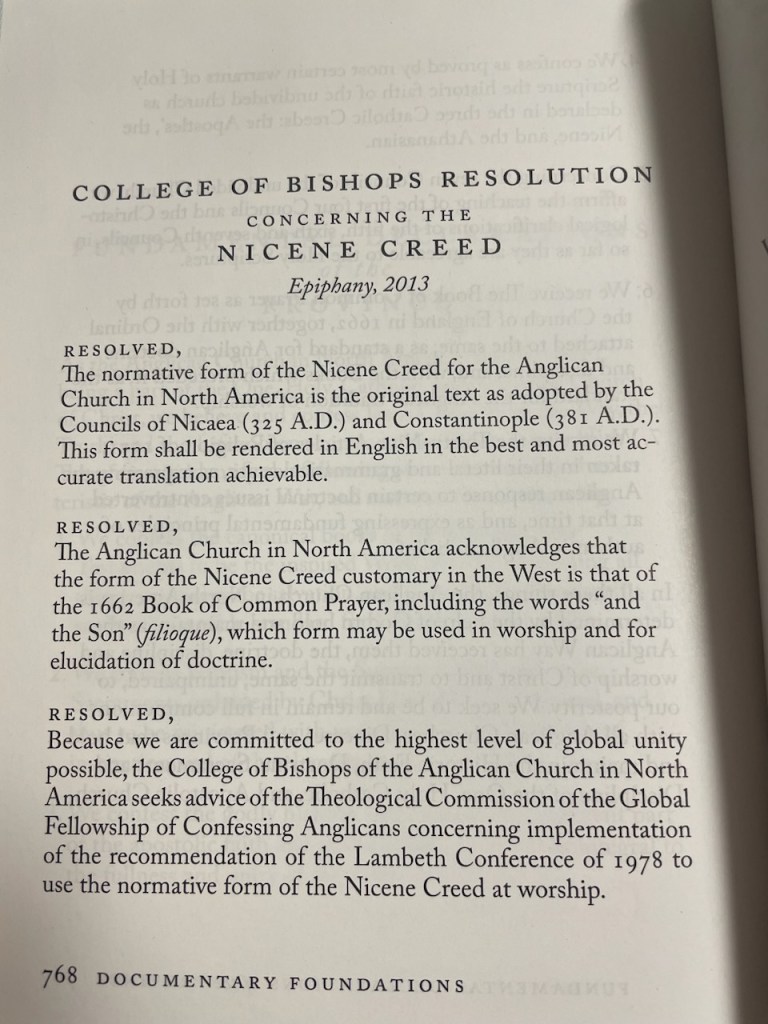
From time to time, I’ll visit my Anglican friends’ church. Upon entering, I’ll be given a printed order of service. After sitting down, I usually look over the songs and sermon title. Then I’ll turn to the Nicene Creed and see if they have dropped the Filioque phrase. From what I have seen so far, nothing has changed. My Anglican friends who are attracted to Orthodoxy tell me that they agree that the Filioque should not have been inserted into the Nicene Creed and that they prefer the more traditional version used by the Orthodox Church. Recently, one of them sent me a camera shot of the 2013 College of Bishops’ Resolution that affirmed the Nicene Creed of 325 and the Constantinopolitan Creed of 381 are to be considered normative for ACNA (Anglican Churches of North America).

However, that document went to note that the western form of the Nicene Creed, which contains the Filioque “may be used in worship and for elucidation of doctrine.” The resolution concludes with a request for advice on how to implement the resolution. But so far, no substantive change has taken place.

The efforts made by Anglicans to unite with Orthodoxy strikes me as timid and half-hearted. In this article, I offer some perspectives and advice about the prospects for union between Anglicans and Orthodoxy. I want to take a receptive and optimistic approach rather than a harsh, judgmental approach. However, this optimism must be tempered with realism and pragmatism.

Three Premises of Orthodoxy

Any discussion of union between Anglicanism and Orthodoxy must start with a proper understanding of Orthodoxy’s adherence to Tradition with a capital “T.” What defines Orthodoxy is the safeguarding of Tradition without change. Orthodoxy rejects the Filioque because it was unilaterally inserted by the Bishop of Rome without the endorsement of an Ecumenical Council. For this reason, Orthodoxy considers the Filioque to be an unwarranted innovation. Another essential point is that Orthodox theology is expressed primarily in its Liturgy, not in theological texts or in synodal resolutions. One further point is that the Seven Ecumenical Councils constitute the normative theological framework for Orthodoxy. Any successful union between Orthodoxy and Anglicanism will require that Anglicans accept all Seven Ecumenical Councils, even Nicea II (787) which calls for the veneration of icons.

I enjoy being with my Anglican friends because we have much in common. Like me, many of my Anglican friends are Evangelicals drawn to the Ancient Faith and the ancient liturgies. When I visit their church services, rather than scrutinize what their pastor has to say in his sermon, I pay close attention to their order of worship. My three suggestions presented below are quite simple and can be implemented the following Sunday.

1. Drop the Filioque Phrase

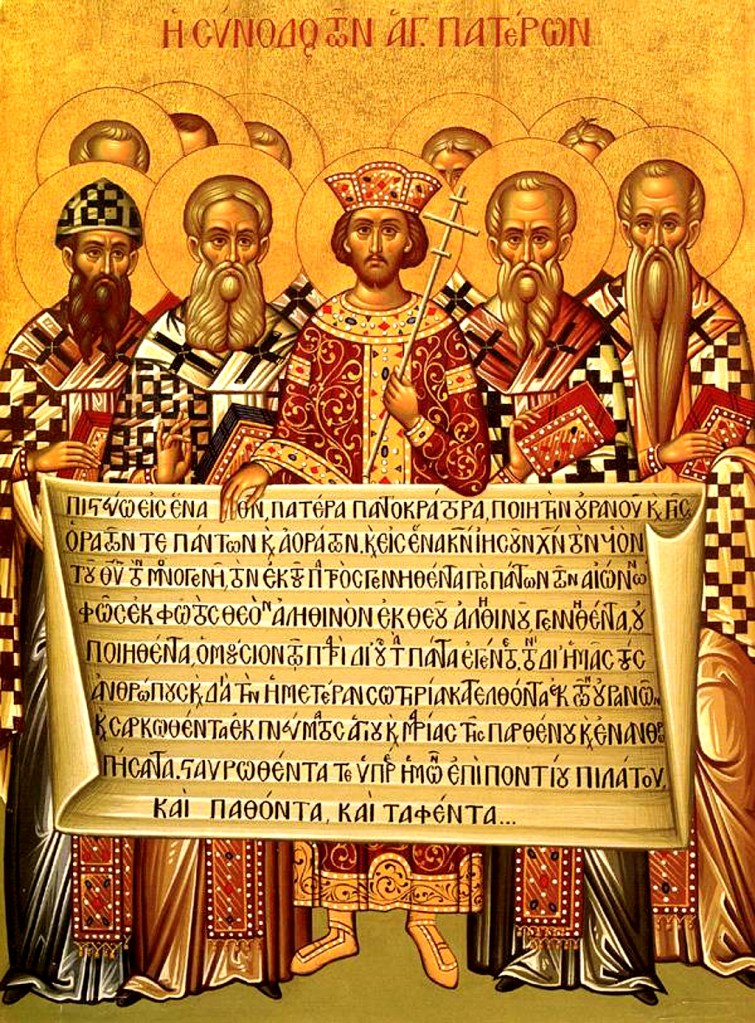
Icon depicting Constantine I with the Bishops of First Ecumenical Council.

I look forward to the day when I visit my Anglican friends’ church and upon examining the Nicene Creed, I find it to be identical to that used in my Orthodox parish. While it would help if the pastor were to state he has problems with the Filioque, the essential thing is that the printed order of worship leaves out altogether the Filioque. Linguistic devices such as asterisks and parentheses are to be avoided as these would be unacceptable to Orthodoxy. If Anglicans find this recommendation too difficult to accept, I will not be offended. I will recognize that they and their faith tradition have decided to walk apart from the Orthodox Church.

2. Include the Hymn “More Honorable Than the Cherubim”

While Anglicans and many mainline Protestants claim to accept the first four Ecumenical Councils: Nicea I, Constantinople I, Ephesus, and Chalcedon, they are de facto  Nestorian. (Nestorianism is the heresy that refuses to acknowledge that the Virgin Mary gave birth to the God-Man Jesus. This is implied by the refusal to address Mary as the “Mother of God.” By only affirming that Mary gave birth to a human Jesus, Nestorians split Jesus’ humanity from his divinity resulting in a heretical Christology.) Rather than pass a resolution affirming the statements made at the Third and Fourth Ecumenical Councils that the Virgin Mary is the Theotokos: God-Bearer or Mother of God, it is far more important that the Virgin Mary be acknowledged as the Theotokos in the order of worship. On a few occasions, I told my Anglican deacon friend who has the responsibility of putting together the worship bulletin: “All you have to do is insert the hymn “More honorable than the cherubim” into your worship bulletin. It’s that simple!” That last sentence is said tongue in cheek because I know that for him it is far from a simple matter.

It is truly meet to bless thee, O Theotokos,

ever blessed and most blameless and the Mother of our God:

More honourable than the Cherubim, 

and more glorious beyond compare than the Seraphim,

who without corruption gave birth to God the Word,

true Theotokos, we magnify thee.

YouTube video: “Magnificat (Megalynarion) to the Theotokos” [3:38]

This hymn—known as the Megalynarion—is sung at every Orthodox Liturgy. It is sung immediately after the consecration of the bread and wine into the body and blood of Christ in the Eucharist. Every Orthodox Christian knows this hymn. It is not a nice add-on but rather an affirmation of a core doctrine: the Incarnation of God the Son for our salvation. This is an issue that rarely come up in our discussion, but it is an issue that must be faced if Anglicans truly desire unity with Orthodoxy.

3. Bring Icons into the Church

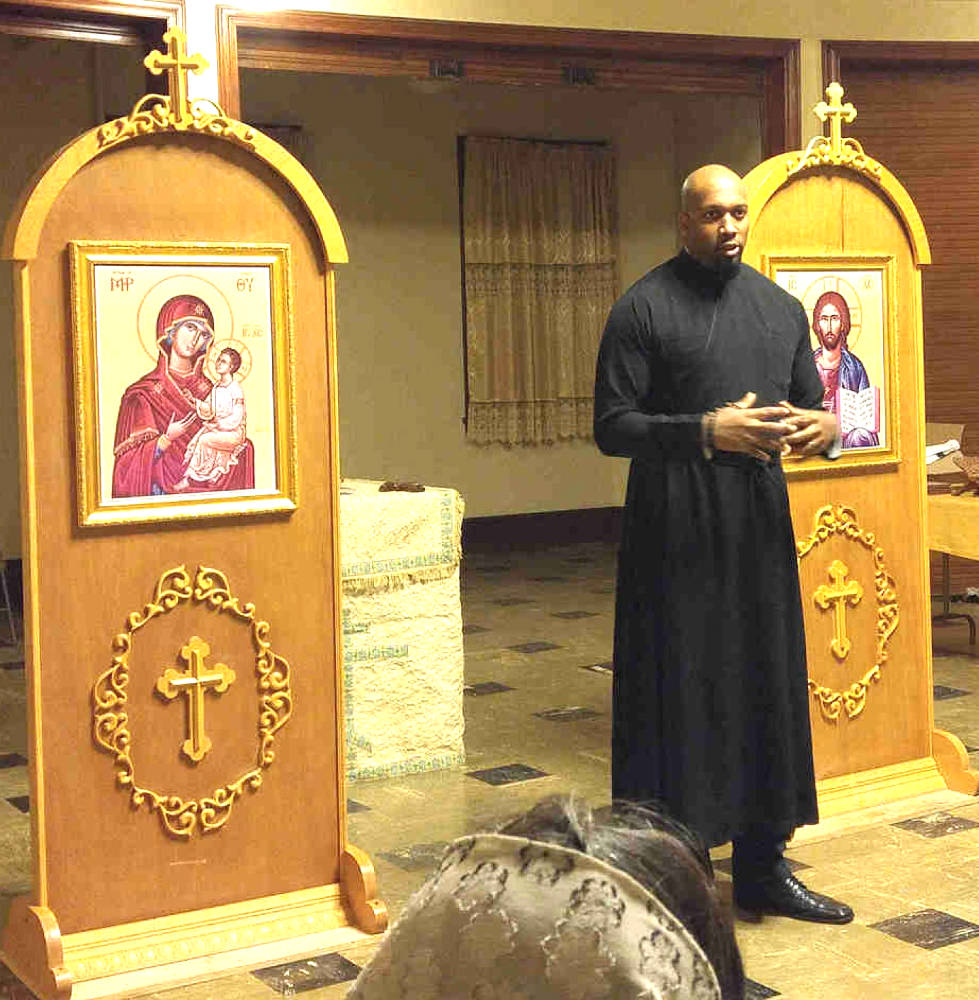
St. Simon of Cyrene Orthodox Mission in New Brunswick NJ (Source)

I have been pleasantly surprised to learn that many of my Anglican friends affirm that the Eucharist is to be the focal point of Sunday worship and that they believe in the real presence of Christ’s body and blood in the Eucharist. (Whether Anglicans have a valid Eucharist and episcopacy are issues I reserve for another occasion.) However, I am struck by the absence of icons when I visit their church services. I see an altar for the celebration of the Eucharist; I see vested clergy; I see strong similarities between their order of worship and the Liturgy of Saint John Chrysostom used at the local Orthodox parish I attend; but I am struck by the absence of icons. Icons are the hallmark of any Orthodox church. No matter where you go, you will find icons of Christ and the Virgin Mary in an Orthodox church. This is because the Seventh Ecumenical Council (Nicea II, 787) decreed that icons are a normative part of Christianity. Icons have been described as windows to heaven. They possess a sacramental quality that links the visible material world we inhabit with the invisible Kingdom of God. The presence of icons in a church would signify the hearty acceptance of the Seventh Ecumenical Council.

Starting off small.
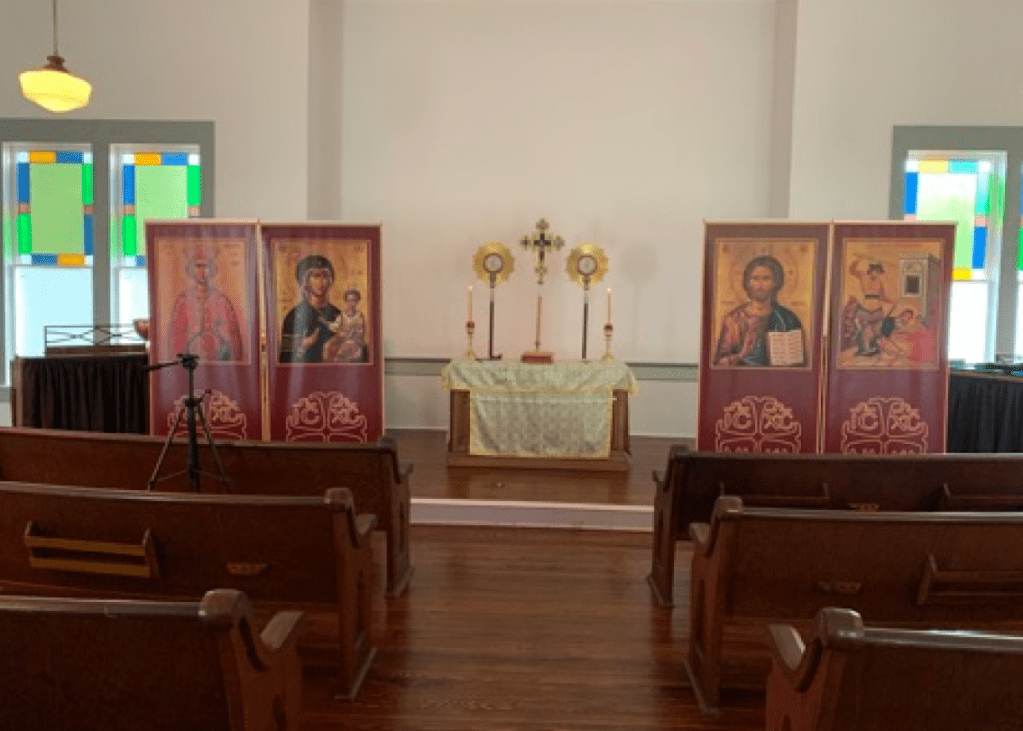
St. Stephen Orthodox Mission – Stephenville, TN (Source)

If my Anglican friends seriously desire union with Orthodoxy, my suggestion is that they order two 8.5” by 11” icons: the Pantocrator icon of Christ and the icon of the Virgin Mary holding the Christ Child; and that they place the two icons in front between the altar and the congregation. One key element would be the clergy and the members of the congregation venerating the icons. Usually when Orthodox Christians venerate an icon, they will bow down and kiss it. This may be too much for many Anglicans. My suggestion is that as the clergy process into the church, they bow at the waist to the icons to show reverence. Another suggestion is that members of the congregation bow or genuflect to the icons as they come forward to receive Holy Communion. The important thing to keep in mind is that one is not reverencing the picture but rather the person depicted in the picture.

Implementing these suggestions is not all that expensive, but it would be quite a challenge on grounds of theology and conscience. I recognize the serious difficulties contained in this suggestion for my Anglican friends, but I want to make clear to them that if they are truly desirous of union with Orthodoxy that the acceptance of icons and the veneration of icons are essential, non-negotiable items. Icons are an integral part of Christian worship. Churches without icons and worship services without the veneration of Jesus Christ and the saints constitute a break from historic Christianity. If my Anglican friends were to accept icons and venerate icons in their Sunday worship, they will have taken a giant step towards union with Orthodoxy and with the Ancient Church.

Anglicans’ Distance from the Seven Ecumenical Councils

Any fruitful engagement between Anglicans and Orthodoxy must be grounded in the Seven Ecumenical Councils. It may come as a shock but my Anglican friends must face the fact that their faith tradition has diverged significantly from the Seven Ecumenical Councils.

Anglicans depart from the First and Second Ecumenical Councils (Nicea I, 325 and Constantinople I, 381) when they recite the “Nicene Creed” which dates back to 1014.

In their Sunday worship, my Anglican friends implicitly reject the Third Ecumenical Council (Ephesus 431) and the Fourth Ecumenical Council (Chalcedon 451) when they omit the hymn “More Honorable than the Cherubim” which explicitly calls Mary the Theotokos (Mother of God).

Many Anglicans, especially those of low church or of Reformed persuasion, are unabashedly iconoclasts. They unequivocally reject the Seventh Ecumenical Council (Nicea II 787). This is where Anglicanism most sharply diverges from Orthodoxy.

Here we see Anglicans rejecting 5 out of 7 Ecumenical Councils. Thus, the gap between conservative Anglicans and Orthodoxy is wider than most suspect.

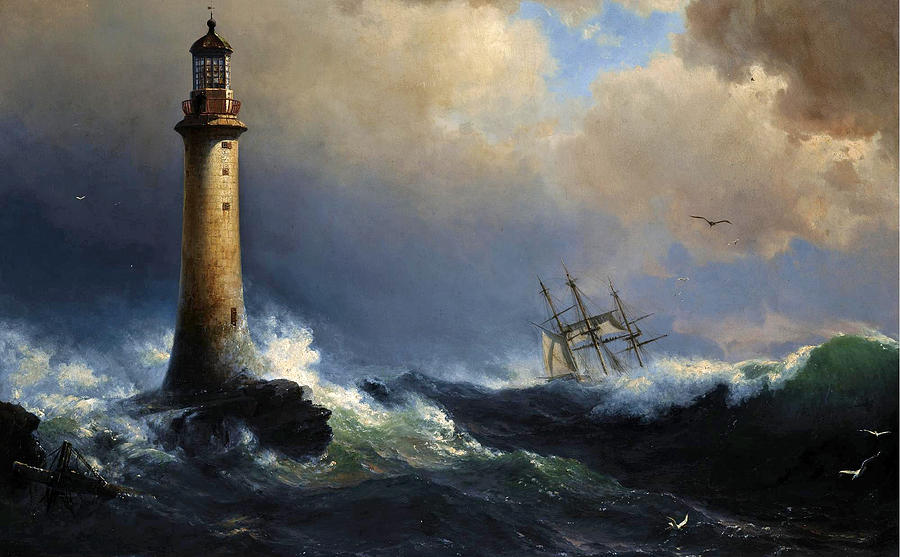
The ship in the storm and the lighthouse. How to bridge the gap? (Image source)

Closing the gap can be done, but it won’t be easy. If conservative Anglicans—those affiliated with ACNA and GAFCON—were to implement these three steps collectively, then rapprochement between the two traditions can be considered a real possibility.

Closing Questions

Let me frank and say this: Orthodoxy is a hard road to travel. Nonetheless, it is worth the cost because Orthodoxy is the true Faith. We are not going to change or compromise on Tradition. If you want to reunite with the Ancient Church, with the Church Fathers, and with the Ecumenical Councils, we will help you. If you are not ready, we will wait. If you decide to continue to walk a different path, we will recognize your freedom to choose such.

Anglicanism has from its inception had something of an identity crisis: It does not know whether it is Catholic or Protestant. From time to time, I’ll ask my Anglican friends: “What are you? Are you Catholic? Or are you Protestant?” In the meantime, my recommendation for my Anglican friends is that they continue to study the early Church Fathers, the Seven Ecumenical Councils, the lives of the saints, and church history. Study the history of Anglicanism and compare it against the early Church prior to the 1054 Great Schism. The quest for unity with Orthodoxy should be motivated by a desire for unity with the undivided Church of the first millennium.

I close with two questions:

Question 1 – Are there signs that Anglican churches in ACNA or GAFCON are taking the three steps I presented?

Question 2 – If there are few signs of ACNA or GAFCON embracing the ancient forms of worship, why wait until 2054? Why not visit the local Orthodox parish in your area and investigate becoming a catechumen?


A Bright Spot in England

By “Athenagoras”

Many Orthodox Christians have watched with dismay as the Episcopal Church and the Church of England declined in numbers and embraced bizarre doctrines. The Church of England’s recent move to embrace same-sex marriage and transgenderism, which mark a break from historic Christian morality, has further compounded their grief. It looks as though Christianity in England has moved irreversibly from its historic Christian roots, but there is a bright spot in the present situation.

The YouTube channel “Ready to Harvest” uploaded a video with the foreboding title: “The End of the Church of England [11:05].” Much of what the video has to say about the troubles of the Church of England is not new to those who follow conservative Anglican websites like VirtueOnline and AnglicanInk. But what is new and what we wish to bring to our readers’ attention is the fact that Orthodoxy in England is alive and well. As a matter of fact, it is doing very well! At the 4:40 mark, a chart is displayed showing that the Orthodox Church in a three-decade span from 1990 to 2019 has grown from 185,000 to 475,000. It has more than doubled! Orthodoxy is doing much better than Pentecostalism, Methodism, and Presbyterianism. It may be that the future of Christianity in England lies in Orthodoxy.

The explanation for this growth has been attributed to the Orthodox Church’s not adapting theology to contemporary culture, but instead offering a “full-fat” faith that embraces the supernatural. Orthodoxy’s theological conservatism and its so-called “ultra-liturgical” worship is not rooted in cultural conservatism but rather in its adherence to Apostolic Tradition. We are mindful of the Apostle Paul’s admonition to the Christians in Thessalonica to hold tight to Tradition whether “by word of mouth or by letter,” i.e., Oral Tradition or Written Tradition (Scripture). (2 Thessalonians 2:15)

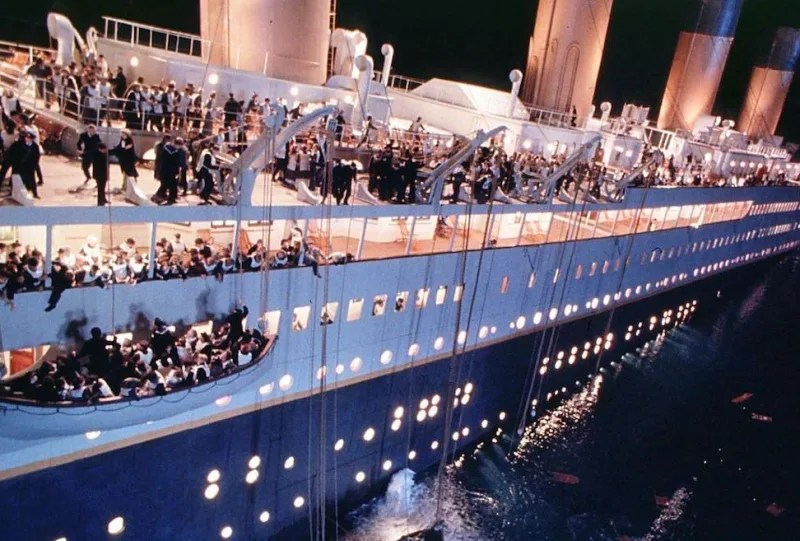
The present-day Church of England is like the “unsinkable” Titanic which is listing and slowly slipping into the cold ocean waters. Many passengers are getting nervous and worried, despite the soothing words of the dignified and smiling captain. As this venerable religious institution slide into apostasy, it is time for Orthodox Christians to let their Episcopal and Anglican friends and family members know about the Ark of Salvation (the Orthodox Church).

“Dear one, I think there’s something amiss with our unsinkable ship. What think you?”

In light of the Church of England’s and The Episcopal Church’s slide into apostasy, it looks as though ecumenical engagement by Patriarch Bartholomew and Archbishop Elpidophoros is futile. We humbly suggest that our Orthodox hierarchs instead engage in ecumenical dialogue with ACNA (Anglican Church in North America) and GAFCON (Global Anglican Future Conference). These Anglican bodies still hold to many of the historic Christian doctrines; and among its members and clergy, there is growing interest in the early Church and the Orthodox Church. These two factors form the basis for potentially fruitful ecumenical engagement.

Not all ecumenical dialogue is bad, but such dialogue must be grounded in the Ancient Faith as defined by the Seven Ecumenical Councils. This is the kind of ecumenism that Orthodox Christians should encourage. The Orthodox Church is not sectarian but Catholic—universal and embracing the fullness of Tradition. Apostolic Tradition is a precious heritage that links us to the Apostles. Tradition is not something to be hoarded but presented to all who seeking the true Faith and right worship of the Trinity: Father, Son, and Holy Spirit.

Icon of the Church as the Ark of Salvation. Source: Uncut Mountain Supply. Support this ministry by ordering a copy of this icon.

Church of the Holy Prince Lazar – Bourneville, Birmingham, England [Source]

[1] https://www.youtube.com/watch?v=Me_wTLmr3bQ

[2] https://www.uncutmountainsupply.com/other-images/miscellaneous/the-ark-of-salvation-gml11/